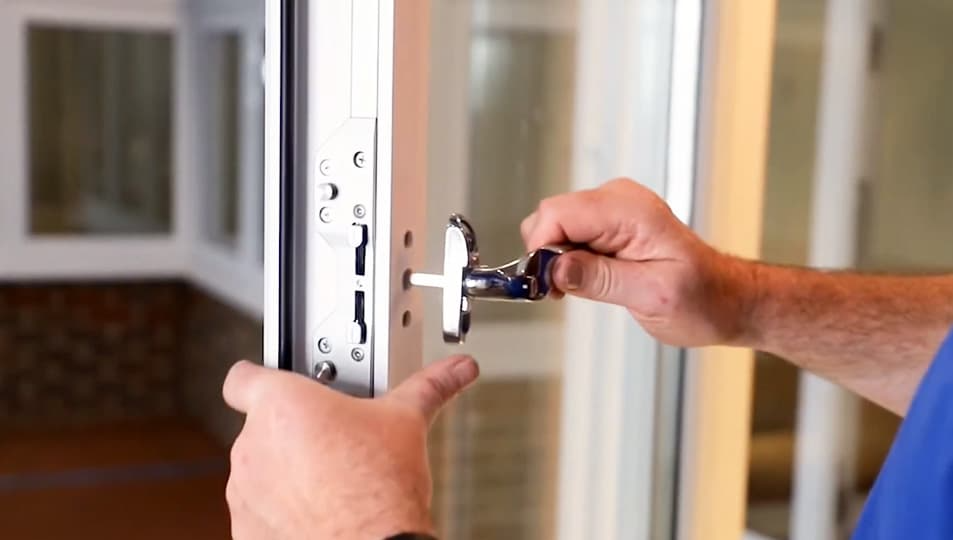
The Evolution of Locks: A Comprehensive Guide to Lock Upgrades
In the ever-evolving world of security, the modest lock has come a long way from its ancient origins. From standard wooden mechanisms to sophisticated digital systems, locks have actually continually adapted to satisfy the growing needs for safety and convenience. For window lock experts , business owners, and security specialists, updating locks is not just a matter of replacing old hardware; it's an investment in comfort and possession defense. This short article explores the significance of lock upgrades, the various kinds of modern-day locks available, and the actions included in upgrading locks to ensure optimal security.
The Importance of Lock Upgrades
Locks are the first line of defense versus unauthorized access, and as security dangers evolve, so must the locks that safeguard your residential or commercial property. Here are some crucial reasons that updating locks is essential:
- Enhanced Security: Modern locks are created to endure sophisticated lock-picking methods and physical attacks, offering a greater level of security.
- Compliance with Regulations: Many regions have rigorous building regulations and security standards. Upgrading to modern locks can assist ensure compliance and avoid legal issues.
- Enhanced Convenience: New locks often featured features like keyless entry, remote gain access to, and smart integration, making them more easy to use.
- ** Durability and Reliability **: Older locks can break with time, leading to regular breakdowns. Updating to more recent, more resilient designs can lower maintenance and repair costs.
Kinds Of Modern Locks
The marketplace offers a range of lock types, each with unique features and advantages. Here are some of the most popular options:
Deadbolt Locks
- Single-Cylinder Deadbolt: Operated by a key on the outside and a thumbturn on the interior.
- Double-Cylinder Deadbolt: Requires an essential to unlock from both sides, providing extra security however possibly impeding quick escape throughout emergencies.
- Electronic Deadbolt: Features a digital keypad or smart lock abilities, permitting keyless entry and remote management.
Smart Locks
- Keyless Entry: Uses PIN codes, biometric scans, or smartphone apps to unlock.
- Smart Integration: Can be connected to home automation systems, permitting remote monitoring and control.
- Battery-Powered: Most wise locks are battery-operated, with some models using low-battery signals.
Deadlatch Locks
- Spring-Loaded Deadlatch: Automatically locks when the door is closed, offering an additional layer of security without the requirement for a separate lock.
- High-Security Deadlatch: Features anti-drill and anti-bump innovations to deter forced entry.
Biomimetic Locks
- Finger print Scanners: Uses biometric data to grant access, removing the requirement for secrets.
- Facial Recognition: Advanced models can recognize faces, making them ideal for high-security environments.
Mechanical Locks
- Tubular Locks: Known for their resistance to lock-picking, these are frequently used in vending makers and other industrial applications.
- Levers and Knobs: Simple and dependable, these locks are appropriate for interior doors and provide a series of security levels.
Steps to Upgrade Your Locks
Upgrading locks can be a simple process, however it requires mindful planning and execution. Here are the actions to follow:
Assess Your Security Needs
- Identify the level of security needed for each entry point.
- Think about the environment and potential risks.
- Examine the convenience and ease of usage for everyday gain access to.
Research study and Select the Right Lock
- Check out reviews and compare functions.
- Talk to a professional locksmith.
- Consider the compatibility with existing door hardware.
Get Rid Of the Old Lock
- Turn the secret or thumbturn to open the lock.
- Remove the screws that hold the lock to the door.
- Thoroughly detach the lock and any associated hardware.
Install the New Lock
- Follow the producer's instructions for installation.
- Make sure the new lock is properly aligned with the door and strike plate.
- Check the lock to guarantee it runs efficiently.
Test and Verify
- Lock and unlock the door several times to look for any problems.
- Verify that the lock works properly with all desired gain access to approaches (secrets, PINs, biometrics).
- If it's a clever lock, guarantee it is linked to your home network and that all features are operating.
Keep and Update
- Regularly clean and lube the lock to avoid wear and tear.
- For battery-operated locks, replace batteries as required.
- Keep software and firmware up to date for wise locks.
Often Asked Questions (FAQs)
Q: How frequently should I upgrade my locks?A: It is recommended to update locks every 5 to 10 years, depending upon use and security requirements. If you live in an area with high criminal offense rates or if you believe your existing locks are compromised, think about upgrading faster.
Q: Can I install a smart lock myself?A: Many wise locks come with user-friendly setup guidelines and can be set up by house owners. Nevertheless, if you encounter difficulties or if the lock becomes part of a more complicated security system, it's advisable to speak with an expert locksmith.
Q: Are clever locks secure?A: Yes, wise locks are normally safe and deal features like file encryption and two-factor authentication. However, it's essential to pick credible brands and keep the lock's software upgraded to secure against vulnerabilities.
Q: What should I consider when selecting a lock for an organization?A: For businesses, consider locks that provide high security, such as electronic deadbolts with audit trail features. In addition, wise locks that can incorporate with access control systems are advantageous for managing worker gain access to and monitoring entry points.
Q: How do I understand if my lock needs to be updated?A: Signs that your lock might require an upgrade consist of frequent jamming, difficulty in essential insertion, visible wear and tear, and a history of break-in attempts. If any of these concerns continue, it's time to think about a new lock.
Updating locks is a crucial action in maintaining the security and performance of your home. Whether you pick a conventional deadbolt, a modern clever lock, or a biometric system, the procedure needs to be approached with cautious consideration of your particular security needs and the functions that will best satisfy those requirements. By following the steps laid out in this guide and staying informed about the most recent lock innovations, you can ensure that your residential or commercial property remains safe and safe for years to come.
This extensive guide to lock upgrades supplies a detailed summary of the significance of upgrading, the types of contemporary locks available, and the steps included in the process. Whether you're a property owner aiming to boost your home's security or an entrepreneur looking for to safeguard your possessions, this info will help you make an informed choice.